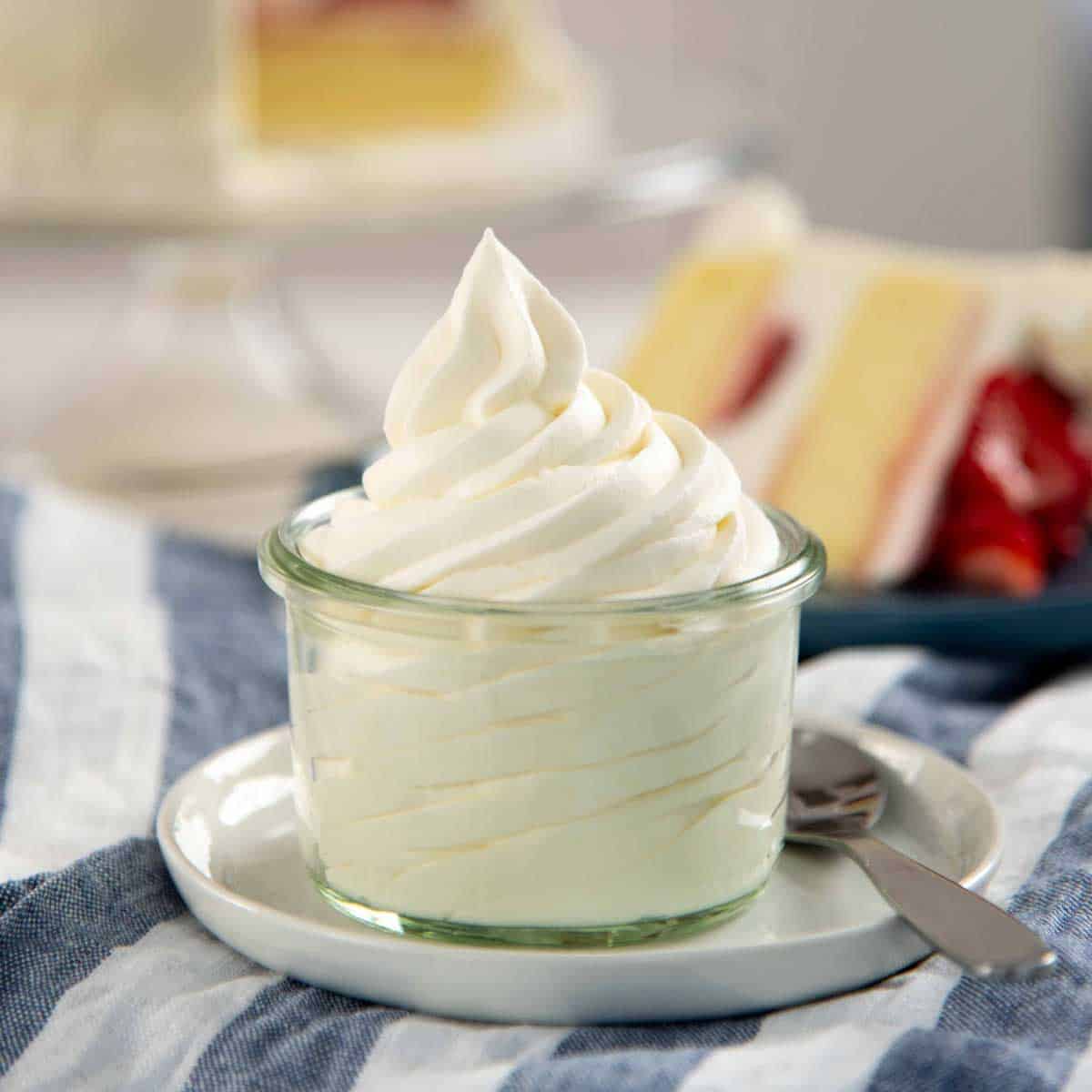
Stop the Sag: How Stabilized Whipped Cream Transforms Your Desserts
There's nothing quite as disappointing as a beautifully piped dollop of whipped cream that collapses into a watery puddle just hours after gracing your dessert. Whether it's the centerpiece of a magnificent cake, a light topping for a fruit tart, or a luscious filling for cupcakes, traditional whipped cream has a notorious habit of deflating, losing its ethereal fluffiness and becoming an unsightly mess.
But what if you could defy gravity and time, creating a whipped cream that stands tall, proud, and perfectly piped for days? Enter stabilized whipped cream – a game-changer for home bakers and professional pâtissiers alike. By incorporating a simple, unflavored ingredient, you can transform delicate whipped cream into a robust, long-lasting masterpiece that holds its shape, even at room temperature for extended periods. Say goodbye to dessert emergencies and hello to unwavering stability and enduring beauty.
Why Stabilized Whipped Cream is Your Dessert's Best Friend
The magic of stabilized whipped cream lies in its remarkable longevity and structural integrity. Unlike its traditional counterpart, which is merely aerated heavy cream, stabilized versions are fortified to prevent breakdown. Here’s why it’s a non-negotiable for anyone serious about stunning desserts:
- Unwavering Structure: Regular whipped cream can start to wilt and weep within a couple of hours, especially in warmer conditions. Stabilized whipped cream, however, maintains its voluminous peaks and intricate piping details for up to two days when refrigerated. This makes it ideal for decorating in advance, eliminating last-minute stress.
- No More Watery Bases: The weeping that often accompanies deflated whipped cream can turn your cake layers soggy or create an unappetizing pool at the bottom of your parfait. Stabilized whipped cream dramatically reduces this moisture separation, keeping your desserts fresh and pristine.
- Perfect for Any Occasion: Planning a party where desserts might sit out for a bit? Catering an event? Transporting a cake? Stabilized whipped cream is your answer. It offers a peace of mind that traditional whipped cream simply cannot, allowing your creations to shine for longer.
- Enhanced Versatility: Because it holds its shape so well, stabilized whipped cream opens up a world of decorating possibilities. From intricate rosettes to smooth frosting layers, you can achieve professional-looking finishes that last. If you're looking to decorate ahead and need whipped cream that holds shape for days, this is your secret weapon.
The best part? Achieving this superior stability doesn't compromise on taste or texture. When done correctly, stabilized whipped cream tastes just as light, creamy, and delightful as the traditional version.
The Secret Weapon: Unflavored Gelatin
While there are various methods to stabilize whipped cream, using unflavored gelatin is arguably the most effective and widely favored technique. Gelatin, derived from collagen, acts as a gelling agent that creates a supportive matrix within the whipped cream, effectively locking in air and preventing deflation.
Understanding Gelatin: What You Need and Why It Works
- Unflavored is Key: You must use unflavored gelatin. Brands like Knox are commonly found in the baking aisle, often near the flavored Jell-O. Do not substitute with flavored gelatin, as it will impart an unwanted taste and color.
- Blooming is Crucial: Before gelatin can do its job, it needs to "bloom." This involves sprinkling the gelatin powder over a small amount of cold water. The cold water allows the gelatin granules to hydrate evenly without clumping. This step is non-negotiable; rushing it can lead to tiny, gritty lumps in your otherwise smooth whipped cream. Allow it to sit for 3-5 minutes until it appears softened and wrinkled.
- Gentle Heating: After blooming, the gelatin mixture needs to be gently heated until it fully dissolves into a clear liquid. This can be done in a microwave for just a few seconds (typically 5-10 seconds), stirring until no granules remain. Be careful not to overheat it, as excessive heat can reduce its gelling power. It should be warm enough to be liquid, but not hot.
- Cooling is Imperative: Once dissolved, the gelatin mixture must be cooled slightly before being added to the whipped cream. If it's too hot, it can melt the butterfat in the cream and prevent it from whipping properly. It should be lukewarm – still liquid, but not hot to the touch.
This simple, extra step with gelatin is the foundation for creating truly perfect, long-lasting whipped cream.
Building Blocks for Fluffy Perfection: Essential Ingredients
While gelatin is the stabilizer, the other ingredients are just as important for a delicious and well-structured stabilized whipped cream. Here’s a quick rundown:
- Heavy Whipping Cream: This is the star of the show. You need heavy cream with a fat content of at least 36% for optimal whipping. Keep it very cold! Cold cream whips up faster, incorporates more air, and holds its peaks better.
- Powdered Sugar (Confectioners' Sugar): This is preferred over granulated sugar for two main reasons. Firstly, its fine texture dissolves instantly, preventing a grainy mouthfeel. Secondly, it often contains a small amount of cornstarch, which can contribute a subtle additional layer of stability. Adjust the amount to your desired sweetness.
- Pure Vanilla Extract: For the best flavor, always opt for pure vanilla extract. It adds a warm, inviting aroma and complements almost any dessert. Avoid artificial vanilla for a superior taste experience.
Step-by-Step Guide to Fluffy, Stable Perfection
Making stabilized whipped cream with gelatin is only slightly more involved than making regular whipped cream, with just one crucial extra step. Follow these instructions for guaranteed success:
1. Prepare for Success: Chill Your Tools
Just like your heavy cream, cold equipment is your best friend. Place your mixing bowl (preferably metal or glass) and whisk attachment (for a stand mixer) or beaters (for a hand mixer) in the freezer for 10-15 minutes before you begin. This helps the cream stay cold and whip up faster and fluffier.
2. Bloom and Dissolve the Gelatin
- In a small, microwave-safe bowl, sprinkle 1-2 teaspoons of unflavored gelatin powder over 2-3 tablespoons of cold water.
- Let it sit undisturbed for 3-5 minutes. The gelatin will absorb the water and swell, taking on a crinkly, translucent appearance – this is blooming.
- Once bloomed, microwave the gelatin mixture for 5-10 seconds on high. Stir well until all the gelatin granules have fully dissolved and the mixture is clear and smooth. If not fully dissolved, microwave for another few seconds.
- Set the dissolved gelatin aside to cool slightly. It should be liquid and warm, but not hot to the touch.
3. Whip the Cream to Soft Peaks
- In your chilled mixing bowl, combine the cold heavy whipping cream, powdered sugar, and vanilla extract.
- Using your whisk attachment or beaters, start whipping on medium-low speed, gradually increasing to medium-high.
- Continue whipping until the cream thickens and forms soft peaks. This means when you lift the whisk, the peaks will stand up but curl over at the tip. Don't go to stiff peaks yet!
4. Incorporate the Cooled Gelatin
- With the mixer still running on medium speed, slowly and steadily pour the slightly cooled, dissolved gelatin mixture into the whipped cream.
- Increase the mixer speed to medium-high and continue beating until stiff peaks form. The whipped cream should be firm and hold its shape perfectly when you lift the whisk.
- Be careful not to overmix! As soon as stiff peaks are achieved, stop the mixer. Overmixing can cause the cream to become grainy or even turn into butter.
5. Use Immediately or Store
Your stabilized whipped cream is now ready to use! Pipe it onto cakes, cupcakes, pies, or use it as a filling. If not using immediately, cover it tightly and refrigerate for up to 2 days. It will firm up a bit in the fridge but will remain creamy and pliable.
Expert Tips for Stabilized Whipped Cream Success
- Quality Ingredients Matter: Use good quality heavy whipping cream and pure vanilla extract for the best flavor.
- Temperature Control: This is paramount. Cold cream, cold bowl/beaters, and slightly cooled but still liquid gelatin are key to success.
- Don't Skip Blooming: Rushing this step is the fastest way to get lumpy, unpleasant whipped cream.
- Avoid Overheating Gelatin: Too much heat degrades gelatin's gelling properties. Gentle warmth is all you need.
- Taste and Adjust: Always taste your whipped cream before adding gelatin. Adjust sweetness or vanilla to your preference.
- Troubleshooting Lumps: If you do end up with tiny gelatin lumps, you can try passing the finished whipped cream through a fine-mesh sieve, though it's best to prevent them by properly blooming and dissolving.
- Experiment with Flavors: Once you master the basic stabilized whipped cream, try adding other extracts (almond, peppermint), cocoa powder for chocolate whipped cream, or even fruit purées for flavored variations.
Unleash Your Creativity: Uses for Stabilized Whipped Cream
Now that you've mastered this versatile ingredient, the possibilities are endless:
- Cake and Cupcake Decorating: Create intricate borders, rosettes, or smooth, elegant frosting layers that won't melt or sag.
- Pie Topping: A beautiful, stable mound of whipped cream for your chocolate cream pie, banana cream pie, or lemon meringue.
- Dessert Fillings: Fill choux pastry, éclairs, or trifles with confidence, knowing the filling will hold its form.
- Fruit Tarts and Parfaits: Layer with fresh fruit for stunning, multi-day desserts.
- Hot Chocolate Topper: Make a batch to keep in the fridge for instant, elevated hot chocolate.
Conclusion
Gone are the days of watching your perfectly crafted whipped cream dissolve into disappointment. With the simple addition of unflavored gelatin, you can create a stabilized whipped cream that maintains its ethereal texture, holds its shape beautifully, and elevates any dessert it touches. This technique empowers you to bake and decorate ahead of time, confidently transport your creations, and present desserts that look as good as they taste, for longer. Embrace this easy method and transform your whipped cream from fleeting fancy to enduring perfection!
